




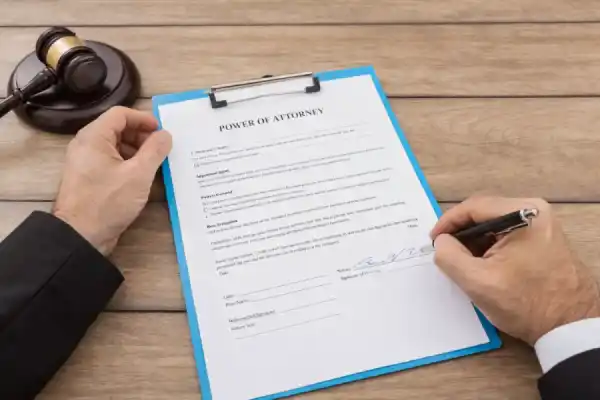
Making a power of attorney in the United States may sound complicated at first, but in reality, it’s much more common—and useful—than most people think. Have you ever wondered what would happen if you couldn’t make an important decision for yourself? Who would manage your finances, sign documents, or make medical choices on your behalf?
In this guide, we will explain step by step how to obtain a power of attorney in the United States (POA), using simple language, clear examples, and practical advice. Whether you are planning for the future, helping a family member, or living abroad, this article is written for you.
What Is Power of Attorney?
A power of attorney is a legal document that allows one person (called the principal) to give authority to another person (called the agent or attorney-in-fact) to act on their behalf.
This authority can be broad or very specific. For example, your agent could:
-
Manage your bank accounts
-
Sign legal documents
-
Buy or sell property
-
Make medical decisions
The key idea is trust. You are legally empowering someone else to act as if they were you in certain situations.
Why Is a Power of Attorney Important?
Life is unpredictable. Accidents, illness, travel, or even busy schedules can make it hard to handle everything personally.
A power of attorney helps you:
-
Stay in control of your future
-
Avoid court involvement
-
Protect your family from legal stress
-
Ensure your wishes are respected
Without it, your loved ones may need to go to court to get permission to help you. That process can be slow, expensive, and emotionally draining.
Who Can Create a Power of Attorney in the U.S.?
To create a valid power of attorney in the United States, you must:
-
Be 18 years or older
-
Be mentally competent
-
Act voluntarily, without pressure
You don’t need to be a U.S. citizen. Many immigrants, residents, and even people living abroad create powers of attorney for use in the U.S.
We make your Power of Attorney simple and secure
Who Can Be Your Agent or Attorney-in-Fact?
Your agent can be almost any adult you trust:
-
A spouse
-
A family member
-
A close friend
-
A professional (like an attorney)
Key point: Choose someone responsible, honest, and organized. Giving power of attorney is like handing someone the steering wheel—you want a safe driver.
Types of Power of Attorney in the United States
There are different types of power of attorneys, and each one serves a specific purpose. Choosing the right one is key to ensuring that the document works as you expect.
Understanding these types helps you choose the right one and avoid future problems.
General Power of Attorney Explained
A general power of attorney gives broad authority to your agent. They can handle:
-
Finances
-
Business matters
-
Legal transactions
However, this type usually ends if you become incapacitated. That’s why many people prefer other options.
Durable Power of Attorney
A durable power of attorney remains valid even if you become mentally or physically incapacitated.
This is one of the most popular and powerful forms because it ensures continuity. If something happens to you, your agent can step in immediately without court approval.
Medical Power of Attorney
A medical power of attorney allows someone to make healthcare decisions for you if you cannot speak for yourself.
This may include:
-
Medical treatments
-
Surgeries
-
Life support decisions
It often works together with a living will and is essential for long-term planning.
Limited or Special Power of Attorney
A limited power of attorney is created for a specific task or period of time, such as:
-
Selling a house
-
Signing documents while you’re abroad
-
Handling a single transaction
Once the task is completed, the power of attorney ends automatically.
When Does a Power of Attorney Take Effect?
A power of attorney can take effect:
-
Immediately, once signed
-
On a specific date
-
Upon incapacity, proven by a doctor
This flexibility allows you to tailor the document to your exact needs.
Step-by-Step: How to Make a Power of Attorney
Here’s a simple roadmap:
-
Decide the type of power of attorney you need
-
Choose your agent carefully
-
Draft the document (online, attorney, or legal service)
-
Review state-specific laws
-
Sign the document
-
Notarize it (usually required)
-
Distribute copies to relevant parties
Each state has its own rules, so accuracy matters.

Do You Need a Notary for a Power of Attorney?
In most states, yes. A notary public confirms:
-
Your identity
-
Your willingness
-
Your mental capacity
Some states also require witnesses. Notarization helps ensure the document is accepted by banks, hospitals, and courts.
Costs and Fees to Create a Power of Attorney
Costs vary depending on how you create it:
-
Online templates: low cost
-
Legal services: moderate
-
Attorney-drafted documents: higher cost
Notary fees are usually affordable. Overall, a power of attorney is a small investment compared to the problems it can prevent.
Common Mistakes to Avoid
Avoid these frequent errors:
-
Choosing the wrong agent
-
Using vague language
-
Not updating the document
-
Ignoring state laws
-
Forgetting notarization
A poorly drafted power of attorney can be rejected when you need it most.
Can a Power of Attorney Be Revoked?
Yes. As long as you are mentally competent, you can revoke a power of attorney at any time.
You must:
-
Create a written revocation
-
Notify your agent
-
Inform banks or institutions
-
Destroy old copies
Control always stays with you.
Conclusion
Creating a power of attorney in the United States is one of the smartest legal decisions you can make. It’s not about expecting the worst—it’s about being prepared. Like carrying an umbrella on a cloudy day, you may never need it, but when you do, it makes all the difference.
By choosing the right type, the right agent, and following the correct steps, you protect yourself and your loved ones from unnecessary stress and legal hurdles.
Frequently Asked Questions (FAQs)
Can I make a power of attorney without a lawyer?
Yes, in many cases you can, but professional guidance helps avoid mistakes.
Is a power of attorney valid in all U.S. states?
It depends on state laws, but most states recognize properly executed documents.
Can I have more than one agent in a power of attorney?
Yes, you can name multiple agents or backup agents.
Does a power of attorney expire?
Some do. It depends on how the document is written.
Can a power of attorney be used outside the United States?
Sometimes, but it often requires additional legalization or apostille.
Published on 13 Jan 2026