


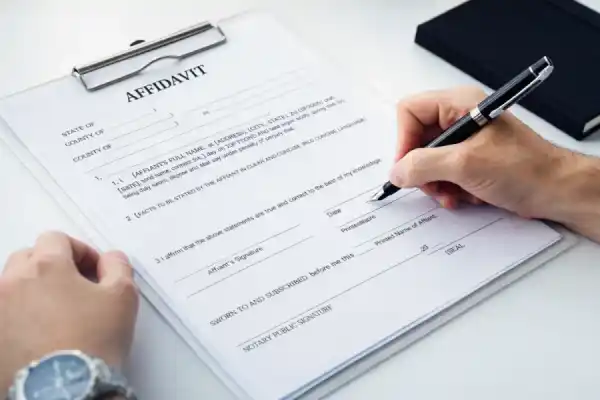


A power of attorney is a legal tool that gives another person the authority to act on your behalf. Simple in concept, powerful in practice.
In this detailed guide, we will answer a very common question: Where can I get a power of attorney? We will break it down step by step, in simple language, so you can move forward with confidence.
What is a power of attorney?
A power of attorney is a legal document that allows one person (called the principal) to grant another person (called the attorney-in-fact or legal representative) the authority to act on their behalf.
This authority can be broad or limited. For example, it can allow someone to manage your bank accounts, sell property, sign contracts, or make medical decisions. The key is control: you decide what powers to grant and when they apply.
Why Do People Need a Power of Attorney?
People often assume a power of attorney is only for the elderly. That’s a myth. Anyone over 18 can benefit from having one.
You might need a power of attorney if:
-
You’re traveling or living abroad
-
You’re facing surgery or medical treatment
-
You want help managing finances
-
You’re planning for aging or illness
-
You run a business and need backup authority
In short, it’s about preparation, not panic.
Types of Power of Attorney Explained
Before asking where to get one, you need to know which one you need.
General Power of Attorney
Grants broad authority over finances and legal matters. Usually ends if the principal becomes incapacitated.
Durable Power of Attorney
Remains valid even if you become incapacitated. This is one of the most common and useful types.
Limited (Special) Power of Attorney
Applies only to specific tasks, like selling a property or managing a single account.
Medical Power of Attorney
Allows someone to make healthcare decisions if you cannot speak for yourself.
Springing Power of Attorney
Only takes effect when a specific event occurs, such as medical incapacity.
Where Can I Get a Power of Attorney?
Now let’s get to the heart of the question. Where can I get a power of attorney? The good news is—you have several options, depending on your situation, budget, and urgency.
Notary Publics and Power of Attorney
A notary public plays a crucial role in validating a power of attorney.
What notaries do
-
Verify identity
-
Witness signatures
-
Officially notarize the document
In many states, notarization is required for a power of attorney to be legally valid.
Need a power of attorney? Get started today.
What Information Do You Need to Create One?
To create a power of attorney, you’ll usually need:
-
Full legal names and addresses
-
Specific powers being granted
-
Effective start and end dates
-
Signatures
-
Notarization or witnesses
Preparation makes the process smoother and faster.
Common Mistakes to Avoid
Many people make avoidable errors when creating a power of attorney.
Mistakes include
-
Choosing the wrong type
-
Naming an unreliable agent
-
Forgetting notarization
-
Using vague language
A poorly drafted document can be as bad as having none at all.
Is a Power of Attorney Valid Across States or Countries?
This is a critical question.
Across states
Most states recognize out-of-state power of attorney documents, but requirements vary.
International use
For use abroad, you may need:
Always check local laws before relying on it internationally.
When Does a Power of Attorney Start and End?
A power of attorney can:
-
Start immediately
-
Start upon incapacity
-
End on a specific date
-
End upon death (always)
Clarity here prevents confusion and misuse.
How to Choose the Right Person as Your Agent
Choosing an agent is just as important as the document itself.
Look for someone who is
-
Trustworthy
-
Responsible
-
Organized
-
Willing to act
This person may one day make decisions that deeply affect your life. Choose wisely.
Conclusion
So, where can you get a power of attorney? The answer depends on your needs, budget, and situation. Notaries offer experience, online services, convenience, and guarantee legal validity. What matters most is taking action before you actually need it.
A power of attorney isn’t about giving up control—it’s about protecting it.
Frequently Asked Questions (FAQs)
What is a power of attorney used for?
A power of attorney allows someone you trust to handle legal, financial, or medical decisions on your behalf.
Can I create a power of attorney without a lawyer?
Yes, you can use online notary services, but legal advice is recommended for complex situations.
Does a power of attorney expire?
Yes, it can expire on a set date, upon revocation, or automatically at death.
Can I revoke a power of attorney?
Absolutely. As long as you are mentally competent, you can revoke it at any time.
Do I need a notary for a power of attorney?
In most states, yes. Notarization helps ensure the document is legally valid and accepted.
Published on 20 Jan 2026