


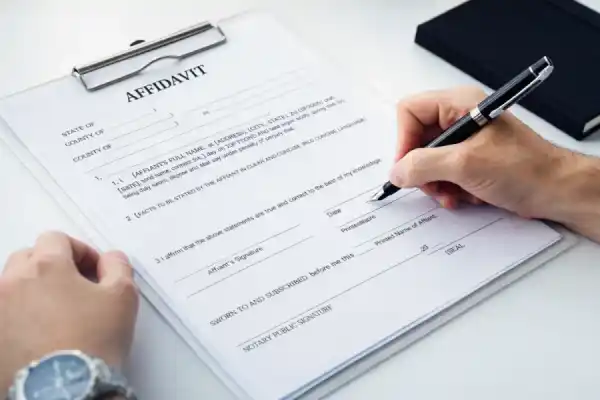

To write an invitation letter for a U.S. visa, the host must include their full legal name, U.S. address, immigration status, and contact information, along with the visitor’s details, purpose of the visit, and planned dates of stay. The letter should be signed, dated, and accompanied by supporting documents such as a copy of the host’s ID or green card. While it is not required by the embassy, a clear and honest letter can strengthen the visa application. At Notaria Latina, we help hosts and visitors draft accurate, well-structured invitation letters for a smooth visa process.
Applying for a US visa can feel overwhelming—like stepping into a maze without a map. One requirement many applicants hear about (and stress over) is the invitation letter for US visa. Do you really need it? Who can write it? How do you get one? Think of the invitation letter as a friendly note that says, “I’m expecting this person—please let them in.” While it doesn’t guarantee visa approval, it certainly helps strengthen your case.
In this guide, we’ll walk through everything you need to know about obtaining a invitation letter for visa, why it matters, who can create one, and how to make the process simple and stress-free.
Understanding the Letter of Invitation
A is a simple, written document from a US-based host inviting you to visit the United States. This host can be a friend, family member, or business contact. The document serves as a personal guarantee that you are being invited for a legitimate purpose—whether tourism, family visits, business meetings, or events.
It’s important to know that the letter doesn't come from the US government. It’s purely personal but can still play a helpful role in proving your intentions as a visitor.
Is a Letter of Invitation Mandatory?
Many applicants assume the US embassy requires this letter. Here’s the truth: It is not mandatory.
You can absolutely apply for a US visa without it. Visa officers are more interested in your ties to your home country, your financial status, and your travel purpose. The letter of invitation for US visa is simply an additional reassurance—like adding extra frosting on a cake. It’s nice, helpful, but not the main ingredient.
Who Can Write an Invitation Letter?
You might wonder, “Does the person inviting me need to be a citizen? A green card holder? A full-time employed resident?”
Here’s the good news: any legal resident of the US can write an invitation letter, including:
-
US citizens
-
Green card holders (permanent residents)
-
Visa holders with valid status (e.g., students, temporary workers)
What matters is that the host can provide truthful details, address, and identity verification.
Types of Letters of Invitation
You might need a different type of letter depending on the purpose of your trip. Below are the most common types:
a. Family Visit Invitation
Used when visiting relatives. Often includes family ties, purpose, and duration of stay.
b. Friend Visit Invitation
Perfect for tourists visiting non-relatives.
c. Business Invitation Letter
Issued by companies in the US inviting foreign partners, clients, or employees.
d. Event Invitation Letter
For weddings, graduations, conferences, or ceremonies.
Each type follows the same basic structure but includes different details suitable for the visit.
Information Required in an Invitation Letter
An invitation letter for visa must include several key points.
Host Information
-
Full legal name
-
Date of birth
-
Address in the United States
-
Contact number and email
-
Immigration status (citizen, green card holder, etc.)
-
Host’s job title (optional but useful)
Visitor Information
-
Full name
-
Date of birth
-
Passport number
-
Relationship with the host
-
Purpose of visit
-
Term of stay
-
Where the visitor will stay
Trip Details
-
Planned travel dates
-
Financial support (who will pay?)
-
Assurance of departure after trip
-
Any attached documents from the host
Including all these details helps make the letter solid, professional, and believable.
How to Request a Invitation Letter
Asking for the letter can feel awkward, but it’s actually quite simple. Here’s how to do it politely and effectively:
Step 1: Contact Your Host
Send a clear message explaining:
-
When you plan to visit
-
Why you are visiting
-
Why you need the letter
Step 2: Share Your Information
Your host will need:
-
Photo of your passport’s bio page
-
Your intended travel dates
-
Purpose of your visit
Step 3: Host Drafts the Letter
They can follow a template or use a letter sample.
Step 4: Host Signs and Sends the Letter
They may send it digitally or physically—both are acceptable.
👉 We recommend contacting us to confirm the exact requirements and documents needed for your specific case, as visa policies can vary.
Contact Us NowInvitation Letter for Visa sample
Here is an Invitation Letter for Visa example:
[Host’s Full Name]
[Host’s Full Address in the U.S.]
[Email & Phone Number]
[Date]
To:
The Consular Officer
United States Embassy/Consulate
Subject: Invitation Letter for [Visitor’s Full Name]
Dear Sir/Madam,
I, [Host’s Name], residing at [Full US Address], am writing to invite [Visitor’s Name], my [relationship, e.g., cousin, friend], to visit me in the United States for [duration]. The purpose of this visit is [state purpose: tourism, family visit, event, etc.].
[Visitor’s Name] will stay at my residence during the visit. I will ensure their accommodation and support them as needed. They intend to return to [home country] at the end of their stay.
I have attached copies of my [ID/green card/passport] for verification.
Thank you for considering this request.
Sincerely,
[Host’s Name]
Supporting Documents to Include
The host should include copies of:
-
US passport or green card
-
Proof of residence (utility bill or lease agreement)
-
Job verification letter (optional)
-
Recent bank statement (if providing financial support)
These attachments help prove that the host actually exists and can support your visit.
Tips to Ensure the Letter Looks Credible
A believable invitation letter for visa should:
-
Be simple, honest, and clear
-
Avoid exaggerations
-
Match the information written in the visa application
-
Use the host’s correct legal name
-
Include real contact details
-
Attach proof to support claims
Think of it like baking bread—you don’t need fancy ingredients, just the correct ones.
How the Letter is Used During the Visa Interview
The invitation letter is not submitted online. Instead, you carry it to your interview. The officer may:
-
Look at it
-
Ask questions about it
-
Or ignore it completely
Whether used or not, having it helps you answer questions confidently.
Common Mistakes to Avoid
-
Providing incorrect or exaggerated details
-
Not matching travel dates
-
Writing an overly emotional letter
-
Host promising full financial support without proof
-
Including unnecessary information
Keep it simple and factual.
Special Cases (Students, Tourists, Business Visitors)
a. Students
Students inviting parents for graduation must include:
-
Enrollment letter
-
Graduation details
b. Tourists
Friends or distant relatives can still write a letter; relationship proof helps but isn’t mandatory.
c. Business Visitors
Companies should use official letterheads, include purpose, and attach registration documents.
What if You Cannot Get an Invitation Letter?
Don’t panic—you can still apply for a US visa without one. Instead, focus on:
-
Strong proof of financial stability
-
Clear travel plans
-
Ties to home country
-
Hotel reservations
-
Round-trip flight plans (optional)
The letter helps, but it’s not a requirement.
Conclusion
Getting an Invitation Letter for US visa is actually much easier than most people think. The hardest part is often just asking your host for help. Remember, the letter doesn’t guarantee approval, but it does help paint a clearer picture of your purpose and support during your stay. With the right information, careful preparation, and a well-written letter, you’re one step closer to a smooth and successful visa process.
Frequently Asked Questions
1. Is an Invitation Letter required for a US tourist visa?
No, it’s not required, but it can help strengthen your application.
2. Can a friend write an Invitation Letter for me?
Yes. They only need to be legally living in the US.
3. Does the Invitation Letter need to be notarized?
Not usually. A simple signed letter is enough unless the embassy specifically requests notarization.
4. Can I submit the letter online with my DS-160?
No. You only bring it to your visa interview.
5. Does the host need to provide financial proof?
Only if they’re offering to cover your expenses. Otherwise, you can show your own financial documents.
Published on 18 Nov 2025